Wroclaw Food Culture
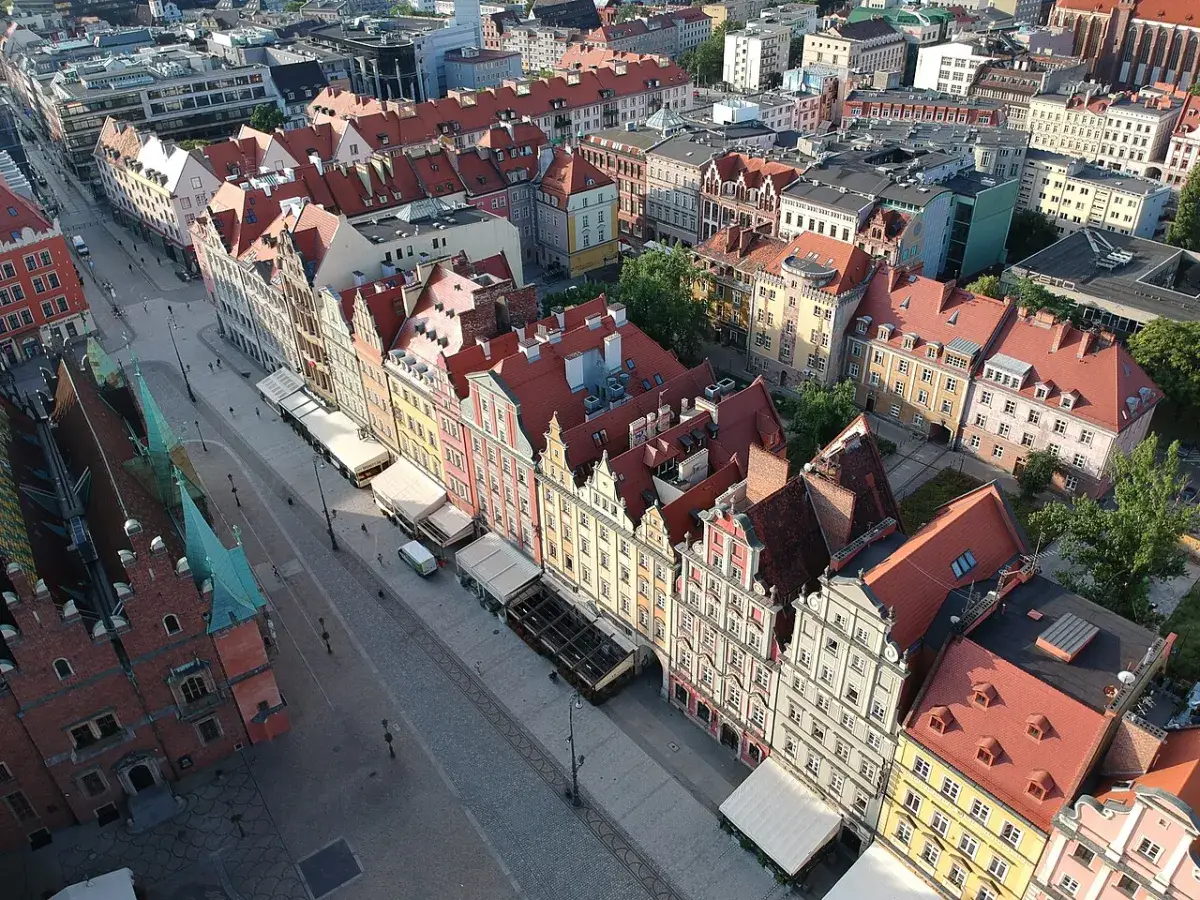
Wroclaw's food culture is a fascinating mix of Silesian tradition, Polish identity, and modern European influence. Understanding this context — why people eat what they eat, when they eat it, and how meals are structured — will make your time in the city richer and more meaningful.
A City of Many Identities
Wroclaw has changed hands more times than most European cities. German (as Breslau) until 1945, then Polish, then behind the Iron Curtain, then part of the EU. Each era left its mark on the food:
- German influence: Sausages, bread culture, beer traditions
- Polish roots: Pierogi, fermented vegetables, hearty soups
- Soviet era: Milk bars (bar mleczny), industrial food production
- Modern Europe: International ingredients, restaurant culture, wine bars
Silesian Cuisine: The Regional Identity
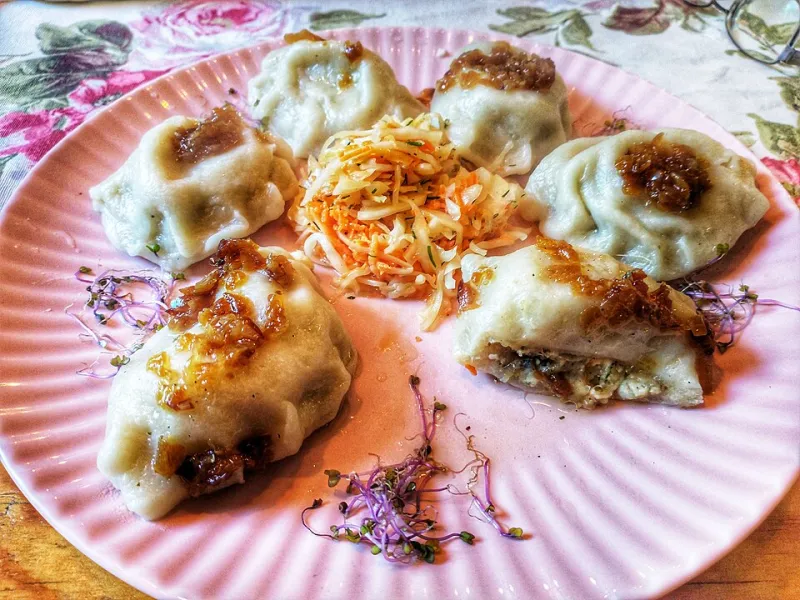
Wroclaw is the capital of Silesia (Śląsk), a region with its own distinct food traditions. Silesian cuisine is heartier than general Polish cooking — more meat, more cabbage, more richness. Key dishes include:
- Rolada śląska: Beef roulade stuffed with bacon, mustard, and pickles, slow-cooked for hours
- Klopsy: Meatballs in mushroom sauce, served with potatoes or dumplings
- Modro kapusta: Red cabbage cooked with bacon and vinegar — the Silesian answer to sauerkraut
- Silesian dumplings (kluski śląskie): Potato dumplings with a distinctive dimple, served with gravy
You'll find these dishes at traditional restaurants like Karczma Lwowska, or in modern interpretations at SFera Bistro and other Bib Gourmand winners.
The Polish Meal Structure
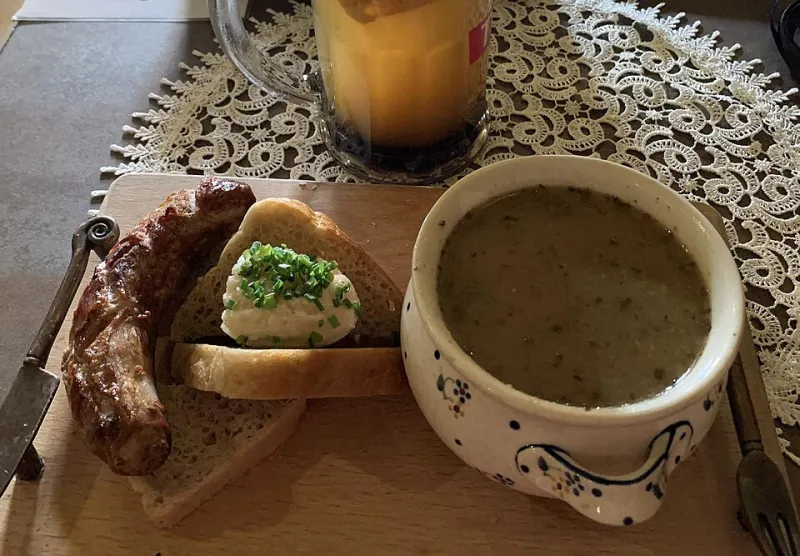
Traditional Polish meals follow a specific structure that you'll still encounter in homes and traditional restaurants:
- Soup (zupa): Always the first course. Żurek (sour rye soup), barszcz (beetroot soup), or rosół (chicken broth)
- Main course (drugie danie): Meat, potatoes or dumplings, and vegetables
- Compote (kompot): A sweet drink made from stewed fruit, served with the meal
- Dessert (deser): Often optional, but appreciated — szarlotka (apple cake), sernik (cheesecake), or ice cream
Dining Customs & Etiquette
Polish dining etiquette is relatively relaxed, but a few customs are worth knowing:
- Wait to be seated: In nicer restaurants, wait for staff to show you to a table
- Saying "smacznego": The Polish "bon appétit" — say it before starting to eat
- Toasting: Make eye contact when clinking glasses; "na zdrowie" means "to your health"
- Tipping: 10% is standard in restaurants; see our full tipping guide
Meal Times
Polish meal times might differ from what you're used to:
- Breakfast (śniadanie): 7-9am, often substantial — eggs, cold cuts, cheese, bread
- Second breakfast (drugie śniadanie): 10-11am, a light snack — still common in workplaces
- Lunch (obiad): 2-4pm, the main meal of the day — this is when restaurants are busiest
- Dinner (kolacja): 7-9pm, lighter than lunch — soup, sandwich, or salad
Many restaurants stop serving lunch by 4pm and reopen for dinner at 6pm or 7pm. Plan accordingly.
Food Shopping
If you're staying in an apartment or just curious about local ingredients:
- Hala Targowa: The main market hall — fresh produce, meat, dairy, and prepared foods
- Bakeries (piekarnia): Every neighborhood has one; try the sourdough (chleb na zakwasie)
- Milk bars (bar mleczny): Cheap, traditional canteens — a Soviet-era holdover worth experiencing
- Supermarkets: Biedronka (cheap), Lidl (good quality), Carrefour (international selection)
Seasonal Eating
Poles still eat seasonally more than most Europeans:
- Spring: Asparagus, wild garlic (czosnek niedźwiedzi), young potatoes
- Summer: Berries, tomatoes, cucumbers, fresh herbs
- Autumn: Mushrooms (grzyby), apples, plums, game meats
- Winter: Preserved foods — sauerkraut, pickles, dried mushrooms, cured meats
Frequently Asked Questions
Is Wroclaw's food culture changing?
Rapidly. The new generation of chefs is reimagining tradition while respecting it. Young Poles travel more, eat more internationally, and demand better quality. The food scene in 2026 is barely recognizable from 2010.
Should I try traditional or modern Polish food?
Both. Start with traditional to understand the baseline — Silesian dumplings, żurek, pierogi. Then try modern interpretations at places like Pijalni to see how chefs are evolving the cuisine.
Is vegetarian food easy to find?
Much easier than it used to be. Traditional Polish cuisine has always had vegetarian options (pierogi, soups, vegetable sides), and modern restaurants are increasingly plant-focused. Vegan options are growing but less common.
Related Guides
- Silesian Cuisine — Deep dive into regional specialties
- Modern Polish Cuisine — How tradition is being reimagined
- Tipping Etiquette — Polish dining customs explained